
The short answer
Several factors drive the price of government contracts, including competition, project complexity, and economic conditions. Understanding these elements can help contractors adapt their pricing strategies to meet market demands.
Key Takeaways
- Government pricing is influenced by competition, complexity, and economic factors.
- Understanding pricing controls can help contractors set competitive bids.
- Project complexity often dictates the resources and time required, impacting costs.
- Economic conditions like inflation affect material and labor costs in contracts.
- Adapting pricing strategies is crucial for staying competitive in the government contract market.
Understanding what drives the price of government contracts is crucial for contractors aiming to succeed in this lucrative market. The cost of government contracts is influenced by several factors including competition, project complexity, and prevailing economic conditions. Grasping these elements can help contractors develop effective pricing strategies and submit competitive bids.
What are the price control of the government?
Government price controls refer to the regulations and guidelines set by federal agencies to standardize and regulate the pricing of contracts. These controls ensure that prices are fair, competitive, and reflect market conditions. The Federal Acquisition Regulation (FAR) is a key document that outlines these rules, ensuring transparency and fairness in the bidding process.
Price controls are designed to prevent overcharging and ensure taxpayers’ money is spent efficiently. By adhering to the FAR, contractors must justify their pricing through cost analyses, which include direct and indirect costs. These controls help maintain a level playing field by requiring consistency and accountability across all government contracts.
What factors influence the cost of government contracts?
The cost of government contracts is influenced by multiple factors, including labor rates, material costs, and regulatory requirements. Each project has unique specifications that can significantly impact the final price. For instance, contracts requiring specialized skills or rare materials tend to be more expensive.
Additionally, location can affect costs; projects in remote areas might incur higher expenses due to logistical challenges. Contractors must also account for compliance with environmental and safety regulations, which can add to project costs. Understanding these factors allows contractors to prepare more accurate bids and anticipate potential cost fluctuations.
How does competition affect government contract pricing?
Competition is a major driver of government contract pricing. When many contractors vie for the same project, prices tend to decrease as bidders attempt to offer the most attractive proposal. Conversely, in markets with fewer competitors, prices may rise due to limited options for the government.
In highly competitive environments, contractors must balance offering a competitive price with maintaining profitability. This often requires strategic bidding and cost management. Contractors can learn about Government Contracting Myths to better navigate the competitive landscape.
What role does project complexity play in government contract prices?
Project complexity significantly impacts government contract prices. More complex projects require advanced planning, specialized expertise, and potentially more sophisticated equipment, all of which increase costs. Complex projects often involve multiple phases, each with its own set of challenges and resource requirements.
In complex projects, risk management becomes crucial as unforeseen issues can lead to cost overruns. Contractors must thoroughly understand the project’s scope and allocate resources efficiently to manage costs effectively. Explore Set-Aside Programs for opportunities that may align with your expertise, offering potential cost advantages.
How do economic conditions impact government contract costs?
Economic conditions such as inflation, interest rates, and material costs greatly impact the cost of government contracts. When the economy experiences inflation, the cost of materials and labor typically rises, increasing overall contract costs. Economic downturns can lead to reduced government budgets, affecting the number and size of available contracts.
Contractors must stay informed about economic trends and adjust their pricing strategies accordingly. View Student Success Stories to see how others have navigated these challenges successfully.
What are the common pricing strategies used in government contracts?
Contractors utilize various pricing strategies in government contracts, including cost-plus, fixed-price, and time and materials contracts.
- Cost-Plus Contracts: Contractors are reimbursed for allowable costs plus a fixed fee.
- Fixed-Price Contracts: A set price is agreed upon regardless of incurred costs, incentivizing efficiency.
- Time and Materials Contracts: Payment is based on the time spent and materials used, offering flexibility.
Understanding these strategies is crucial for adapting to different project needs and maximizing profitability.
| Factor | Impact on Pricing |
|---|---|
| Competition | Decreases prices in competitive markets |
| Project Complexity | Increases costs due to additional resources |
| Economic Conditions | Can increase or decrease costs based on inflation and material prices |
How does the bidding process affect the final price of government contracts?
The bidding process plays a crucial role in determining the final price of government contracts. During bidding, contractors submit proposals outlining their pricing, timelines, and qualifications. The government evaluates these bids based on cost, technical capability, and past performance.
1. Research Requirements: Understand the project scope and requirements thoroughly.
2. Develop a Bid Strategy: Decide on the most suitable pricing strategy.
3. Submit Proposal: Ensure your bid is competitive yet profitable.
An effective bidding process involves meticulous planning and market research, which can give contractors a competitive edge.
What can contractors do to adapt to market demands?
Contractors can adapt to market demands by staying informed about industry trends, adjusting their pricing strategies, and continuously improving their competitive edge. Engaging in professional development, such as How to Navigate SAM.gov, can provide insights into securing contracts more effectively.
Networking with industry peers and attending government contract workshops can offer valuable insights into current market demands. Additionally, maintaining flexibility in pricing and operations allows contractors to respond swiftly to changes in economic conditions and government needs.
Secure Your Competitive Edge in Government Contracts

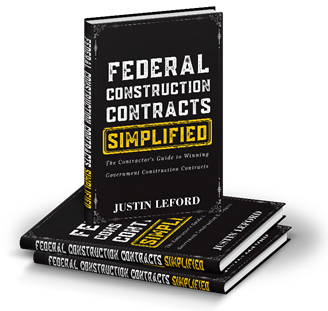
Achieving success in government contracting requires understanding the key drivers of pricing and adapting to market changes. To gain insider knowledge and expert guidance, book a 30-minute complimentary consult with a seasoned contractor who has secured millions in government contracts at Million Dollar Federal Contractor. To further enhance your expertise, explore the “Federal Construction Contracts Simplified” book at Federal Construction Contracts Simplified. Book the consult or get the book today to navigate the complexities of government contracts with confidence.
Frequently Asked Questions
What are the price control of the government?
Price controls in government contracts often involve regulations that establish maximum allowable costs. These controls help ensure fair pricing and prevent excessive charges from contractors.
What factors influence the cost of government contracts?
Key factors include project scope, labor rates, material costs, and overhead expenses. Additionally, the level of competition among contractors can significantly impact pricing.
How does competition affect government contract pricing?
Increased competition can lead to lower prices as contractors vie for the same projects. However, too much competition may also reduce profit margins for contractors.
What role does project complexity play in government contract prices?
Complex projects often require more resources, specialized skills, and longer timelines, which can increase the overall contract price. Simpler projects may have lower costs due to reduced requirements.
How do economic conditions impact government contract costs?
Economic fluctuations, such as inflation or supply chain disruptions, can increase the costs of materials and labor, resulting in higher contract prices. Contractors must adjust their bids accordingly.
What are the common pricing strategies used in government contracts?
Common strategies include fixed-price contracts, cost-reimbursement contracts, and time-and-materials contracts. Each strategy has different implications for risk and pricing flexibility.
How does the bidding process affect the final price of government contracts?
The bidding process can lead to price adjustments based on competition and contractor qualifications. A well-prepared and competitive bid may result in winning the contract at a favorable price.