
The short answer
Federal contractor fees are regulated by the Federal Acquisition Regulation (FAR), ensuring fees are fair and justified. Compliance is crucial to avoid penalties, with resources available to assist contractors in understanding these regulations.
Key Takeaways
- Federal contractor fees are regulated to ensure fairness and transparency.
- Non-compliance with fee regulations can lead to serious penalties.
- Resources are available to help contractors understand fee regulations.
- Understanding how fees are determined is crucial for federal contractors.
Understanding the regulations federal contractors fees are subject to is vital for any contractor aiming to succeed in the government contracting arena. These regulations ensure transparency and fairness in pricing while preventing overcharging. Comprehending these complex rules is critical to avoid facing penalties for non-compliance.
What are the current regulations for federal contractor fees?

Federal contractor fees are governed by the Federal Acquisition Regulation (FAR), which sets standards for pricing and payment in government contracts. These regulations ensure that fees are justified, reasonable, and reflect the true cost of labor, materials, and overhead. To comply, contractors must maintain meticulous documentation of their costs and demonstrate that their fees are equitable.
The FAR outlines specific guidelines for allowable costs and profit margins, ensuring contractors do not overcharge the government. This includes justifying fees based on market research and historical data to ensure they are competitive. Compliance with these regulations is monitored through audits and reviews, which can occur at any stage of the contracting process.
How are fees determined for federal contractors?

Fees for federal contractors are determined by evaluating direct costs, indirect costs, and profit margins. Direct costs include labor, materials, and other expenses directly attributable to the project. Indirect costs cover overheads such as administrative support and equipment.
1. Gather Direct Costs: Calculate all expenses directly related to the project.
2. Estimate Indirect Costs: Include costs not directly tied to the project but necessary for its completion.
3. Calculate Profit Margins: Add a reasonable profit to the total costs.
This structured approach ensures fees are competitive and fair, aligning with market standards. Contractors must justify their pricing strategies to the contracting agency, often through comprehensive cost proposals and supporting documentation.
What compliance issues should federal contractors be aware of regarding fees?
Federal contractors must be vigilant about compliance to avoid costly penalties. This includes adhering to the FAR guidelines, maintaining transparency in fee calculations, and ensuring all costs are reasonable and justifiable.
Contractors should regularly review their pricing strategies and documentation to ensure compliance. Non-compliance can lead to audits, payment delays, and even contract termination. Utilizing resources like Learn more about government contracts can help contractors stay informed about compliance requirements.
Are there limits on fees for federal contractors?
Yes, there are limits on fees for federal contractors to prevent excessive charges. The FAR specifies caps on certain costs and profit margins to ensure fees remain within reasonable bounds. These limits vary based on the type of contract and the services provided.
For example, cost-plus contracts may have stricter limits on profit margins compared to fixed-price contracts. Contractors must be familiar with these limits and ensure their pricing strategies align with regulatory requirements.
How often do federal contractor fee regulations change?
Federal contractor fee regulations can change frequently, reflecting updates in governmental policies and market conditions. Contractors must stay informed about these changes to remain compliant and competitive.
Changes can occur due to shifts in budget allocations, policy adjustments, or economic factors. Keeping up with these adjustments is crucial for contractors to avoid non-compliance issues. Regularly consulting resources like the Federal Acquisition Regulation can provide the latest updates.
What resources are available for understanding federal contractor fee regulations?
Several resources are available to help contractors understand fee regulations, including government websites, training programs, and professional organizations. The U.S. Small Business Administration offers guidance on contracting opportunities and regulations.
1. Consult the FAR: Access detailed regulations and guidelines directly.
2. Join Training Programs: Join our training programs for expert-led sessions.
3. Utilize Online Resources: Check out our resources for federal contractors for comprehensive guides and tools.
These resources provide valuable insights and strategies for compliance, helping contractors effectively understand the complexities of federal regulations.
How do federal contractors ensure compliance with fee regulations?
Federal contractors ensure compliance by implementing robust internal controls and staying informed about regulatory changes. Regular audits and reviews of financial practices can prevent compliance issues and ensure adherence to the FAR.
Contractors should develop comprehensive pricing strategies, maintain detailed records, and conduct internal audits to verify compliance. Engaging with industry experts and leveraging resources like Learn more about government contracts can provide additional support and guidance.
What are the consequences of non-compliance with federal contractor fees?
Non-compliance with federal contractor fee regulations can lead to serious repercussions, including financial penalties, contract termination, and legal action. These consequences can damage a contractor’s reputation and hinder future opportunities.
Maintaining compliance is essential to avoid these outcomes. Contractors should prioritize transparency, accuracy in cost reporting, and adherence to the FAR guidelines to mitigate risks. Utilizing available resources and seeking expert guidance can further protect against non-compliance.
Compare the different regulations governing federal contractor fees and their implications.
| Regulation Type | Description | Implications |
|---|---|---|
| FAR Guidelines | Comprehensive rules for pricing and payment | Ensures transparency and fairness |
| Cost Limits | Caps on allowable costs and profit margins | Prevents excessive charges |
| Compliance Audits | Routine checks for adherence to regulations | Identifies non-compliance risks |
Secure Your Success with Expert Guidance
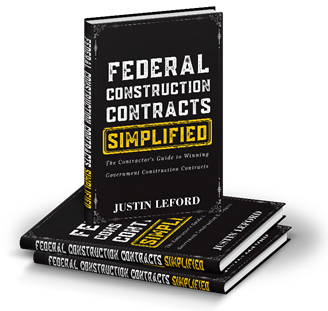
Understanding the intricacies of federal contractor fees and regulations can be daunting, but expert support is available. Book a complimentary 30-minute consult with a successful contractor to learn strategies for winning government contracts. Equip yourself with the Federal Construction Contracts Simplified book to further enhance your understanding and secure your contracting success.
Frequently Asked Questions
What are the current regulations for federal contractor fees?
Federal contractor fees are governed by the Federal Acquisition Regulation (FAR) and other related guidelines. These regulations outline how fees should be structured and what costs can be included.
How are fees determined for federal contractors?
Fees for federal contractors are typically determined based on a combination of market rates, project complexity, and the specific regulations set forth in contracts. It’s crucial for contractors to stay informed about current pricing guidelines.
What compliance issues should federal contractors be aware of regarding fees?
Contractors must ensure their fees comply with the FAR and any specific contract stipulations. Non-compliance can lead to audits, penalties, or loss of contracts.
Are there limits on fees for federal contractors?
Yes, there are limits set forth in the FAR regarding allowable costs and fees. Contractors should review these limits closely to avoid exceeding them.
How often do federal contractor fee regulations change?
Federal contractor fee regulations can change frequently based on new legislation or policy updates. Contractors should regularly check for updates to ensure compliance.
What resources are available for understanding federal contractor fee regulations?
Resources such as the FAR website, the Small Business Administration, and specialized training programs, like those offered by Federal Construction University, can help contractors understand fee regulations.