The short answer
Bidding on government contracts can involve various costs, including registration fees, proposal preparation expenses, and potential bid bond costs. Understanding these expenses upfront can help you budget effectively and increase your chances of winning contracts.
Key Takeaways
- Bidding costs can include registration fees and proposal preparation.
- Not all bids require a bid bond, but some do.
- It’s crucial to budget for potential hidden costs when bidding.
How Much Does It Cost to Bid on Government Contracts? Understanding how much it costs to bid on government contracts is crucial for contractors eyeing this lucrative market. Costs can vary widely, but typically include registration fees, proposal preparation costs, and sometimes bid bonds. Preparing thoroughly and budgeting for potential hidden expenses can streamline the process and enhance your chances of success.
How much does it cost to bid on government contracts?
The cost of bidding on government contracts can range from a few hundred to several thousand dollars, depending on factors like the complexity of the bid and the need for a bid bond. Registration and preparation are primary cost areas, but with effective planning, these expenses can be managed. Each contract opportunity might bring additional unique costs, demanding careful financial planning.
Bidding costs are not uniform across the board. They can be influenced by the contract’s scope, the need for specific certifications, and the resources required for proposal preparation. For small contracts, costs are generally lower, while large-scale contracts might demand a more significant financial commitment. Understanding these variables is key to a successful bid.
What are the fees associated with bidding on government contracts?
Fees associated with bidding on government contracts often include registration fees, proposal preparation costs, and sometimes bid bonds. Registration with databases like SAM.gov is usually free, but professional assistance may incur fees. Proposal preparation can involve hiring consultants or purchasing software tools, adding to the cost.
When preparing your bid, expect to allocate funds to cover these initial fees. While some contractors might handle these processes in-house, many choose to employ consultants to ensure compliance and competitiveness, which can add to expenses. Additionally, if the contract requires a bid bond, this financial guarantee also incurs a cost, reflecting a percentage of the total bid amount.
Are there any costs involved in preparing a bid for government contracts?
Yes, preparing a bid for government contracts often involves several costs, including acquiring necessary documents, proposal writing, and potentially hiring consultants. These costs can add up, especially for complex contracts, requiring a strategic approach to budgeting and preparation.
To effectively manage these costs, consider the following steps:
1. Document Acquisition: Gather and organize all required documentation early to avoid last-minute rushes and associated costs.
2. Proposal Writing: Invest in professional services or software for proposal writing to enhance quality and competitiveness.
3. Consultants: Hiring experts can streamline the process and increase your bid’s chance of success, despite the added expense.
How do I estimate the budget for bidding on government contracts?
Estimating a budget for bidding on government contracts requires a detailed analysis of potential expenses, including registration, proposal preparation, and compliance costs. Start by listing all known expenses and add a contingency for unforeseen costs. This preparation helps in managing financial resources effectively.
To create an accurate budget:
- Identify all possible costs: Include obvious expenses like proposal writing and less apparent ones like travel or equipment.
- Research past bids: Understanding historical costs can provide a benchmark for your budgeting.
- Consult with experts: They can offer insights into common pitfalls and additional costs specific to your industry or contract type.
What expenses should I consider when bidding on government contracts?
Consider expenses such as registration fees, proposal preparation, legal consultations, and possible travel costs. Each bid might also require specific certifications, adding to the overall expenditure. Being thorough in your financial planning can prevent unexpected financial strain.
Here’s a comparison table showing typical bidding costs:
The relevant requirements and financial considerations vary by solicitation, location, provider, and project scope. Check the applicable official guidance and solicitation documents before making a decision.
Is there a cost to register for government contracting opportunities?
Registering for government contracting opportunities through platforms like SAM.gov is typically free, though professional assistance in the registration process could incur costs. It’s essential to understand the registration requirements and potential costs of third-party services that might streamline the process.
While the registration itself might be free, many contractors opt for professional services to ensure accuracy and compliance, which can add to the cost. These services might include helping with understanding Federal Acquisition Regulation requirements or ensuring that all documentation is correctly submitted.
How to bid on government contracts?
Bidding on government contracts involves several steps: identifying opportunities, registering, preparing a proposal, and submitting a bid. Success in this process often hinges on understanding the requirements and presenting a competitive bid.
Here’s a step-by-step approach to bidding:
1. Identify Opportunities: Use platforms like SAM.gov to find relevant contracts.
2. Register and Get Certified: Complete necessary registrations and certifications, such as with the Small Business Administration.
3. Prepare Your Proposal: Craft a detailed, compliant proposal that highlights your strengths.
4. Submit Your Bid: Ensure timely submission to meet deadlines and compliance guidelines.
Where to bid on government contracts?
Government contracts can be bid on through several platforms, with SAM.gov being the primary source. Additionally, organizations like the Small Business Administration provide resources and guides to help small businesses access these opportunities effectively.
Utilizing multiple resources increases your chances of finding suitable contracts. Platforms like U.S. Government Contracting offer comprehensive guides, while private-sector solutions can provide tailored assistance and strategic insights. Each platform may offer unique opportunities, so exploring various options is beneficial.
Transform Your Bidding Strategy Today
Ready to succeed in securing government contracts? Consult with government contracting experts for personalized advice. Enhance your strategy with Federal Construction Contracts Simplified, a must-read for any serious bidder. Take the next step with confidence and clarity.
Comparing common bid-preparation cost categories
The resources required to prepare a government bid depend on the solicitation and the bidder’s existing capabilities. Some businesses can complete much of the work internally, while others may need outside technical, estimating, or compliance support. This table helps identify the categories to review without assuming a standard price.
| Preparation category | Typical activity | Planning question |
|---|---|---|
| Opportunity review | Reading the notice, scope, and instructions | Does the opportunity fit the company’s capabilities and eligibility? |
| Estimating | Reviewing labor, materials, equipment, and subcontractor inputs | Are the assumptions supported by current quotes and internal data? |
| Proposal development | Writing the technical and management response | Who will prepare, review, and approve each section? |
| Compliance review | Checking forms, representations, and submission rules | Has every mandatory instruction been addressed? |
| Supporting documents | Gathering licenses, insurance details, past performance, and other records | Are the documents current and suitable for this solicitation? |
| Bid security, when required | Arranging a bid bond or other specified security | Does the solicitation require it, and what does the surety need? |
Not every opportunity requires every category. The solicitation controls. Read its instructions carefully before committing resources, and distinguish mandatory submission requirements from optional materials that may improve clarity.
How to keep bid preparation proportionate
Use a go/no-go review before beginning a full proposal. Confirm that the company meets the stated eligibility requirements, can perform the work, understands the delivery schedule, and can support the contract’s terms. If a mandatory requirement cannot be met, resolve that issue before spending time on a complete response.
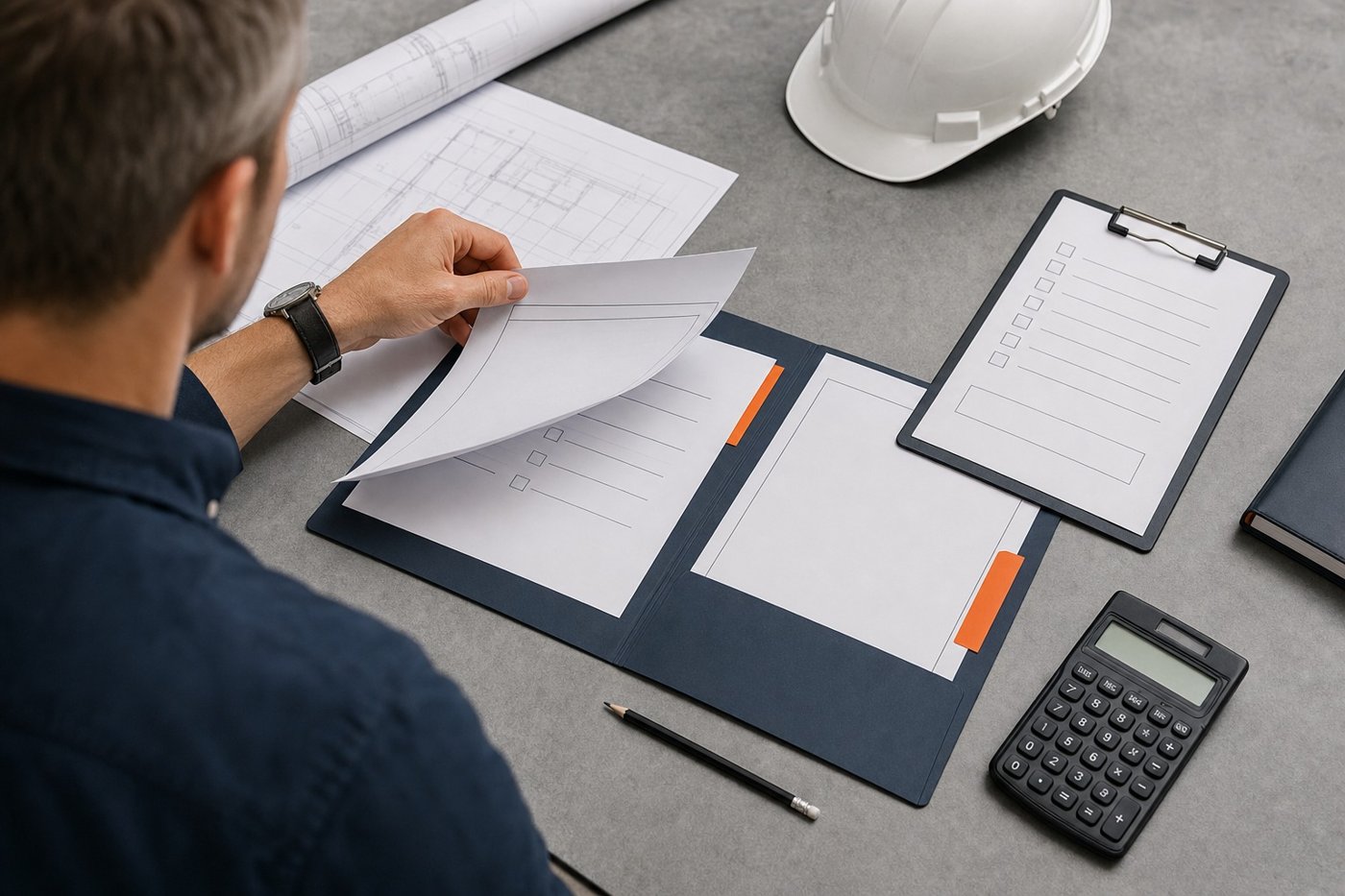
For opportunities that pass the initial review, assign an owner to each proposal section and set internal review points ahead of the official deadline. Keep a checklist of required forms, attachments, signatures, file formats, and submission steps. Allow time to resolve questions and verify that the final package matches the solicitation.
After submission, record the effort involved and note which reusable materials can be improved for future bids. This creates a more reliable internal view of proposal effort over time. It does not guarantee an award, but it can help the business decide which opportunities deserve further attention.
Frequently Asked Questions
How to bid on government contracts?
To bid on government contracts, start by researching opportunities on platforms like SAM.gov. Prepare your bid proposal according to the guidelines outlined in the solicitation, ensuring compliance with all requirements.
Where to bid on government contracts?
You can bid on government contracts through various platforms, primarily SAM.gov, where federal contract opportunities are posted. Additionally, state and local government websites often list their bidding opportunities.
What are the fees associated with bidding on government contracts?
Fees may include registration costs for platforms like SAM.gov, costs for preparing proposals, and sometimes fees related to securing bid bonds. It’s essential to factor in these expenses when planning your budget.
Are there any costs involved in preparing a bid for government contracts?
Yes, preparing a bid can incur costs such as hiring consultants, paying for proposal writers, and conducting market research. These costs can vary based on the complexity of the bid.
How do I estimate the budget for bidding on government contracts?
Estimate your budget by listing all potential costs, including registration, proposal preparation, and any necessary documentation fees. Consider adding a buffer for unexpected expenses.
What expenses should I consider when bidding on government contracts?
Consider registration fees, proposal costs, administrative expenses, and any costs associated with obtaining required certifications or licenses. Each bid may have unique requirements and associated costs.