
The short answer
Contractors can earn varying amounts from government contracts, with potential profits ranging from thousands to millions, depending on the contract size and type. Understanding the factors that influence these earnings is crucial for maximizing profit potential.
Key Takeaways
- Potential earnings depend on the contract, performance obligations, operating costs, and the contractor’s ability to deliver.- Profit margins depend on contract size and type.
- Factors include industry, competition, and contract complexity.
- Certain types of contracts, like construction and IT, often pay more.
- Strategic bidding increases your chances of success.
The question “how much can you make bidding on government contracts” hinges on multiple factors, including the type of contract, industry, and your strategic approach. Understanding these elements is crucial for maximizing your income potential.
What are the potential earnings from government contracts?

Government contracts can generate significant revenue, with amounts varying based on the contract’s nature and scope. Earnings also depend on your ability to fulfill contract requirements efficiently and effectively, ensuring both profitability and client satisfaction.
Federal contract values vary by agency, requirement, scope, and solicitation.The key is targeting contracts that align with your business capabilities and resources.
How much can you make bidding on government contracts?

The earnings from government contracts depend on various factors including contract size, type, and industry. While some contracts offer modest returns, others can significantly boost your business’s revenue. To maximize earnings, it’s crucial to select bids that match your expertise and capacity, ensuring strategic alignment with your business goals.
Government contracts can lead to substantial earnings, making them an attractive venture for businesses. Construction and IT contracts often stand out for their profitability, given the high demand and complexity involved. By focusing on these sectors, you can position your business to capitalize on lucrative opportunities.
How do I calculate profit margins for government bids?
To calculate profit margins for government bids, first determine the total projected revenue from the contract, then subtract your estimated costs. These costs include direct labor, materials, overhead, and any subcontractor fees. The remaining amount represents your profit, which can be expressed as a percentage of the total contract value.
Understanding your profit margins is essential for sustainable growth in government contracting. Accurate cost estimation, including direct and indirect expenses, allows you to set competitive yet profitable bid prices. By analyzing past projects and industry standards, you can refine your estimates and enhance your bidding strategy for future contracts.
What factors influence the income from government contracting?
Several factors influence income from government contracting, including the type of contract, industry, competition, and your business’s operational efficiency. High-demand industries like defense, construction, and technology typically offer higher earning potential. Efficient project management and cost control are also pivotal in maximizing profits.
In addition, understanding market trends and leveraging relationships with government agencies can improve your chances of securing lucrative contracts. By staying informed and adaptable, you can navigate the complexities of government contracting to optimize your earnings.
Are there limits on how much I can earn from government contracts?
There are no explicit limits on earnings from government contracts; however, factors such as business capacity and contract type can influence potential income. Larger businesses with greater resources may pursue higher-value contracts, while smaller firms might focus on niche markets or subcontracting opportunities.
The Small Business Administration offers programs that can help smaller companies compete effectively, ensuring diverse participation in government contracting. By understanding these dynamics and tailoring your approach, you can maximize your earnings potential without encountering significant constraints.
What types of government contracts pay the most?
Certain government contracts, particularly in construction, IT, and defense, tend to offer the highest payouts. These sectors require specialized skills and resources, often resulting in higher contract values. Contracts involving research and development also present substantial earning opportunities due to their complexity and demand for innovation.
The relevant requirements and financial considerations vary by solicitation, location, provider, and project scope. Check the applicable official guidance and solicitation documents before making a decision.
By focusing on these high-demand sectors, you can align your business strategy with lucrative government opportunities.
How can I increase my chances of winning profitable government contracts?
To increase your chances of winning profitable government contracts, conduct thorough market research to identify opportunities aligned with your strengths. Build a robust proposal that highlights your expertise and value proposition. Networking and establishing relationships with government agencies can also improve your chances of selection.
1. Research Opportunities: Use platforms like SAM.gov to find suitable contracts.
2. Build Relationships: Engage with agency representatives to understand their needs.
3. Develop Strong Proposals: Clearly demonstrate your capabilities and past successes.
4. Stay Compliant: Ensure all documentation meets Federal Acquisition Regulation standards.
By following these steps and exploring our training programs for contractors, you can enhance your competitive edge in the bidding process.
What should I expect when bidding on government contracts?
Bidding on government contracts requires a systematic and detail-oriented approach. Expect a rigorous process involving registration on SAM.gov, preparing comprehensive proposals, and undergoing evaluations. Familiarize yourself with the Federal Acquisition Regulation to ensure compliance.
The bidding process also involves competitive pricing and clear demonstration of your capability to meet contract requirements. It’s essential to maintain thorough documentation and be prepared for potential negotiations.
Secure Lucrative Government Contracts with Expert Guidance
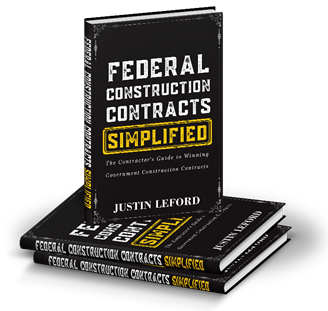
Achieving success in government contracting isn’t just about winning bids; it’s about strategic planning and execution. Book the consult and read our book, Federal Construction Contracts Simplified, to transform your business’s government contracting strategy.
Comparing factors that shape contracting revenue and profit
Contract revenue is not the same as the money a business keeps. A useful assessment considers the work required to perform the contract, the resources already available, and the risks the company must manage. The following comparison helps organize that assessment without assuming a particular award value or profit outcome.
| Factor | How it affects the business | What to examine before bidding |
|---|---|---|
| Contract scope | Determines the work, deliverables, and acceptance requirements | Tasks, specifications, milestones, and exclusions |
| Direct costs | Covers labor, materials, equipment, and subcontracted work | Supplier quotes, labor assumptions, and availability |
| Indirect costs | Supports the work through administration, facilities, and business operations | Allocation method and whether the estimate includes all relevant overhead |
| Contract type and terms | Affect payment, documentation, performance, and risk | Pricing structure, invoicing rules, changes, and remedies |
| Delivery capacity | Influences whether the business can complete the work as promised | Staffing, equipment, schedule, and subcontractor readiness |
| Cash flow | Determines whether the business can fund work before payment is received | Payment milestones, retainage if applicable, and working-capital needs |
A bid should be evaluated against the full cost of performance, not just the amount shown in the opportunity notice. The business should also consider the time required to prepare the proposal and the possibility that the work may require additional coordination, reporting, or compliance activity.
A responsible way to evaluate a potential opportunity
First, confirm that the solicitation matches the company’s capabilities and eligibility. Read the complete scope and identify every deliverable, required qualification, submission instruction, and contract term. If a requirement is unclear, use the official question process rather than relying on assumptions.
Next, build an estimate from documented inputs. Separate direct costs from overhead and identify assumptions that still need supplier or subcontractor confirmation. Review the schedule and staffing plan to ensure that the company can perform the work without disrupting existing commitments. Consider how changes, delays, or unavailable materials could affect delivery.
Finally, review the proposed price against the company’s financial and operational limits. A contract can generate substantial revenue while still creating pressure if costs are underestimated or payment timing is poorly understood. Do not treat another contractor’s reported result as a forecast for your own business. Each opportunity has its own scope, competition, terms, and execution risks.
Frequently Asked Questions
What are the potential earnings from government contracts?
The potential earnings from government contracts can vary widely.
How do I calculate profit margins for government bids?
To calculate profit margins for government bids, consider the total costs of fulfilling the contract, including materials, labor, and overhead. Subtract the total costs from the bid amount and divide by the bid amount to determine the margin.
What factors influence the income from government contracting?
Factors influencing income from government contracting include the type of contract, competition, the contractor’s experience, and the complexity of the project. Understanding these elements can help in making informed bidding decisions.
Are there limits on how much I can earn from government contracts?
There are no strict limits on how much you can earn from government contracts; however, specific contracts may have set budgets or funding limits that impact potential earnings.
What types of government contracts pay the most?
Government contracts in sectors such as construction, technology, and healthcare tend to pay the most. These industries often require specialized skills and generate higher budgets.
How can I increase my chances of winning profitable government contracts?
To increase your chances of winning profitable government contracts, focus on building a strong proposal, understanding the client’s needs, and leveraging past performance and expertise.
What should I expect when bidding on government contracts?
When bidding on government contracts, expect a detailed and competitive process. Make sure to understand all requirements, deadlines, and documentation needed to increase your chances of success.