
The short answer
When starting in federal contracting, you can expect a range of costs including registration fees, bonding and insurance, and potentially the costs of hiring consultants or obtaining necessary certifications. It's crucial to budget for these expenses to ensure a smooth entry into the market.
Key Takeaways
- Initial costs include registration and bonding fees.
- Budget for potential consulting or certification expenses.
- Hidden costs can arise from compliance and reporting.
- Ongoing costs may include maintenance of licenses and insurance.
- Proper budgeting is essential for long-term success.
Understanding the costs when starting in federal contracting is crucial for any contractor looking to enter this lucrative field. Initial expenses can include registration fees, bonding, and potential consulting costs. Additionally, contractors must be prepared for hidden costs related to compliance and reporting, which can impact their budget significantly.
What are the initial costs of starting a federal contracting business?

Starting a federal contracting business involves several initial costs. These typically include registration with the System for Award Management (SAM), bonding and insurance, and possibly consulting fees for guidance through the bidding process. Each of these elements incurs costs that you should plan for as you venture into the federal market.
To begin, registration with SAM is mandatory and while the registration itself is free, the process can be complex, often necessitating paid consultation services to ensure accuracy and completeness. Bonding and insurance serve as financial protection and can vary widely in cost based on the size and scope of potential contracts. It is wise to learn more about federal contracting basics to fully understand these initial investments.
How much do I need to invest to begin federal contracting?

The investment required to start in federal contracting varies depending on your business size and scope. Key costs include registration fees, insurance, bonding, and possibly hiring consultants. Planning a budget that encompasses these elements is essential to avoid unexpected financial hurdles.
For most new contractors, the investment can be substantial, but it is necessary to secure the business’s ability to bid on and execute federal contracts effectively. Consulting services, while not mandatory, can offer significant advantages by providing strategic insights into the federal contracting landscape, helping to streamline the initial setup process.
What fees should I expect when applying for federal contracts?
When applying for federal contracts, expect to encounter fees related to proposal preparation, bonding, and possibly third-party certifications. Each of these fees serves to ensure compliance and improve your chances of winning a contract.
Proposal preparation can incur costs due to the need for detailed documentation and sometimes specialized software. Bonding fees are common, as they assure the government of your project’s completion. Certifications like 8(a) or HUBZone can also come with associated fees, though they may provide significant advantages in the bidding process.
Are there hidden costs in federal contracting that I should be aware of?
Federal contracting can involve hidden costs such as compliance with regulations, ongoing reporting requirements, and potential legal fees. These costs often catch new contractors off guard and should be considered when budgeting.
Compliance with the Federal Acquisition Regulation is crucial, and failure to adhere can result in fines or disqualification from bidding. Keeping up with the necessary reporting, whether financial or performance-based, can also require additional resources. Legal fees may arise from the need to navigate complex contractual obligations or address disputes.
What are the typical expenses for a new federal contractor?
Typical expenses for a new federal contractor include registration and certification fees, insurance, bonding, and consulting services. Each expense plays a role in preparing your business to compete for and execute federal contracts effectively.
Registration in systems like SAM and gaining necessary certifications are foundational steps. Insurance and bonding not only protect your business but also meet federal compliance requirements. Consulting services, while optional, can provide the expertise needed to navigate the initial phases of federal contracting.
How can I budget for starting a federal contracting business?
Budgeting for a federal contracting business requires a comprehensive approach that includes initial setup costs, potential hidden fees, and ongoing expenses. Planning for these elements will help ensure financial stability as you enter the federal market.
1. Identify Initial Costs: Registration, bonding, and consulting.
2. Account for Hidden Costs: Compliance and reporting.
3. Estimate Ongoing Expenses: Insurance renewals and licenses.
4. Set Contingency Funds: For unexpected legal or operational issues.
Utilizing resources like the U.S. Government Accountability Office can help outline potential costs and strategies for effective financial management.
What licenses or certifications might add to my costs?
Licenses and certifications such as 8(a), HUBZone, or Service-Disabled Veteran-Owned Small Business (SDVOSB) can add to your costs but offer competitive advantages in federal contracting. These certifications often involve application fees and maintenance costs but can significantly improve your bidding prospects.
Pursuing these certifications requires a thorough understanding of the eligibility requirements and ongoing compliance. Understanding government contracting myths can help dispel common misconceptions and guide you in making informed decisions.
Are there ongoing costs after starting in federal contracting?
Yes, ongoing costs in federal contracting include license renewals, insurance, bonding renewals, and compliance maintenance. These costs ensure that your business stays eligible and competitive in the federal contracting space.
Maintaining updated certifications and complying with regulatory requirements are essential for continued success. Regular insurance and bonding renewals safeguard your business against potential risks and liabilities.
| Cost Type | Initial Cost | Ongoing Cost |
|---|---|---|
| Registration | Yes | No |
| Bonding | Yes | Yes |
| Insurance | Yes | Yes |
| Consulting | Optional | Optional |
| Certifications | Yes | Yes |
Secure Your Federal Contracting Success Today
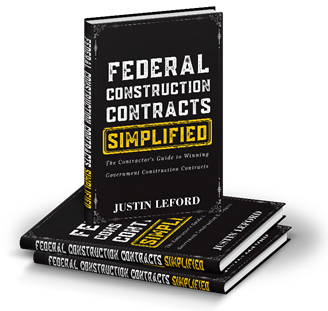
To navigate the complexities of federal contracting, consider a complimentary consultation with a seasoned expert who has secured millions in contracts. Gain insights from the Federal Construction Contracts Simplified book to further strengthen your strategy and ensure your financial planning supports long-term success in this competitive arena.
Frequently Asked Questions
What are the initial costs of starting a federal contracting business?
Initial costs typically include registration fees, bonding, and any necessary insurance. Additionally, you may need to invest in software or systems to manage contracts and compliance.
How much do I need to invest to begin federal contracting?
The investment can vary widely depending on the type of contracts you pursue, but expect to allocate several thousand dollars for registration, bonding, and other initial expenses.
What fees should I expect when applying for federal contracts?
Fees can include registration costs with SAM.gov, proposal preparation costs, and any associated legal or consulting fees. It’s crucial to factor these into your budget.
Are there hidden costs in federal contracting that I should be aware of?
Yes, hidden costs may include compliance costs, additional certifications, or unexpected legal fees. Always conduct thorough research to uncover potential expenses.
What are the typical expenses for a new federal contractor?
Typical expenses include registration, bonding, insurance, proposal costs, and any necessary training or certification. A comprehensive budget will help avoid surprises.
How can I budget for starting a federal contracting business?
Start by listing all potential costs, including those for registration, bonding, and ongoing compliance. Consider consulting with experienced contractors to refine your budget.