
The short answer
Securing federal construction projects requires thorough planning, adherence to federal regulations, and implementing robust security measures. Conducting a detailed cost analysis and ensuring compliance with all standards are crucial steps for contractors aiming to win federal contracts.
Key Takeaways
- Understanding the cost analysis is crucial for securing projects.
- Compliance with federal regulations is mandatory.
- Effective security measures are essential for federal contracts.
- Training for workers on security protocols is required.
- Best practices include thorough research and planning.
Secure Federal Construction Projects. Securing federal construction projects involves meticulous planning and adherence to stringent regulatory standards. Contractors aiming to engage in federal contracts must conduct a detailed cost analysis, ensure compliance with federal regulations, and implement strong security measures. This approach not only fulfills governmental requirements but also positions contractors for successful project acquisition.
What are the best practices for securing federal construction projects?

Securing federal construction projects involves implementing best practices such as thorough research, understanding federal requirements, and maintaining compliance. Contractors should leverage resources like Federal Construction University to stay informed about industry standards and requirements.
A key practice is conducting in-depth research on the specific requirements of federal contracts. This includes understanding the GSA Government Services Administration guidelines and ensuring all documentation is current and accurate. Additionally, networking within federal circles can provide insights into upcoming projects and necessary qualifications. An effective proposal is tailored to highlight compliance and security measures, increasing the likelihood of securing the contract.
What is the cost analysis process for federal construction projects?

The cost analysis process for federal construction projects involves evaluating all potential expenses related to the project to ensure competitive yet profitable bidding. This involves detailed assessments of direct and indirect costs, including materials, labor, and compliance-related expenses.
Contractors should utilize a structured approach to cost analysis, starting with an itemized breakdown of project phases. It’s critical to account for all materials, labor, permit fees, and security measures required to meet federal standards. Additionally, understanding the cost implications of compliance and potential penalties for non-compliance is crucial. Contractors can refer to the Federal Procurement Data System for historical cost data to inform their estimates.
Comparison of Cost Estimates for Different Federal Construction Project Phases
| Project Phase | Estimate Low ($) | Estimate High ($) |
|---|---|---|
| Planning | 10,000 | 25,000 |
| Design | 20,000 | 50,000 |
| Construction | 100,000 | 250,000 |
| Compliance | 15,000 | 30,000 |
| Security Measures | 5,000 | 15,000 |
How do federal agencies assess security for construction contracts?
Federal agencies assess security for construction contracts by evaluating the contractor’s security plan, verifying compliance with regulations, and ensuring that all site and personnel security measures are in place. This includes background checks and security clearances for staff.
Agencies like the U.S. Small Business Administration provide guidelines that contractors must follow to meet security criteria. This involves submitting detailed security plans that outline physical security measures, cybersecurity protocols, and emergency response strategies. Regular audits and inspections ensure ongoing compliance, and any deficiencies must be addressed promptly to maintain contract eligibility.
What security measures are required for federal construction sites?
Federal construction sites require stringent security measures including access controls, surveillance systems, and cybersecurity protocols to protect sensitive information and materials. Compliance with these measures is mandatory to ensure project integrity and safety.
A comprehensive security plan should include:
1. Access Control Systems: Installing security checkpoints to monitor and control site access.
2. Surveillance Systems: Implementing CCTV and other surveillance technologies.
3. Cybersecurity Protocols: Protecting digital data through encrypted networks and regular security audits.
4. Emergency Preparedness: Establishing protocols for emergency situations and conducting regular drills.
What are the common security risks in federal construction projects?
Common security risks in federal construction projects include unauthorized access, data breaches, and theft of materials or sensitive information. Contractors must identify and mitigate these risks to protect personnel and project assets.
Unauthorized access can be curtailed through effective access control measures, while data breaches require robust cybersecurity protocols. Regular security audits and threat assessments can help identify vulnerabilities and ensure that all security measures are effectively implemented and adjusted as necessary. Engaging with experts from Federal Construction University can provide additional insights into managing these risks.
How can contractors ensure compliance with federal security regulations?
Ensuring compliance with federal security regulations involves rigorous adherence to guidelines set by federal agencies and continuous monitoring of all project activities to meet these standards. Contractors must stay updated on regulatory changes and implement necessary adjustments.
Contractors should maintain detailed documentation of all security protocols and activities, which can serve as evidence of compliance during inspections. Regular training sessions for staff on federal regulations and security measures are essential, as is ongoing consultation with regulatory bodies such as the U.S. Small Business Administration to stay informed of any changes.
What training is needed for workers on secure federal construction sites?
Workers on secure federal construction sites require comprehensive training in security protocols, emergency response, and federal compliance standards. This training ensures that all personnel are prepared to adhere to stringent security requirements and respond appropriately to potential incidents.
Training should cover topics such as access control procedures, the use of surveillance systems, cybersecurity best practices, and emergency response protocols. Providing regular refresher courses and updates on new security threats and technologies is also necessary. Contractors can utilize resources from Federal Construction University to develop effective training programs.
What can contractors expect during the federal project bidding process?
During the federal project bidding process, contractors can expect a rigorous evaluation of their proposals, including verification of compliance with all federal standards and assessment of their security measures. A well-prepared bid can significantly improve the chances of securing a project.
The bidding process typically involves:
1. Prequalification: Demonstrating capability and compliance with federal requirements.
2. Proposal Submission: Providing detailed plans, including cost analysis and security measures.
3. Evaluation: Agencies assess proposals for compliance, cost-effectiveness, and security.
4. Negotiation: Finalizing contract terms and addressing any agency concerns.
Understanding this process and preparing thoroughly is essential for success. Contractors can visit About Federal Contracting for more detailed guidance on the bidding process.
Transform Your Contracting Business with Insider Expertise
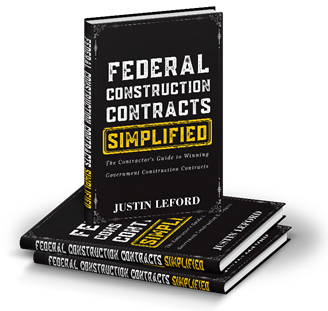
Securing federal construction projects can significantly impact your business. To succeed in this complex field, consider a 30-minute complimentary consult with a business owner who has won millions in government contracts. Additionally, enhance your knowledge by obtaining the Federal Construction Contracts Simplified book. These resources will provide you with the insider knowledge needed to thrive in federal contracting.
Frequently Asked Questions
What are the best practices for securing federal construction projects?
Best practices include conducting thorough market research, ensuring compliance with regulations, and submitting well-prepared bids. Networking with federal agency representatives can also enhance your chances.
How can contractors ensure compliance with federal security regulations?
Contractors must familiarize themselves with federal security standards and protocols, including background checks for employees and site access controls. Regular training and audits can help maintain compliance.
What security measures are required for federal construction sites?
Security measures can include access controls, surveillance systems, and background checks for workers. These measures ensure the safety of the site and compliance with federal mandates.
What are the common security risks in federal construction projects?
Common security risks include unauthorized access, theft of materials, and potential sabotage. Contractors should implement proactive measures to mitigate these risks.
How do federal agencies assess security for construction contracts?
Federal agencies assess security by reviewing contractors’ security plans, past performance, and compliance history. They may also conduct site visits and require security clearances for key personnel.
What training is needed for workers on secure federal construction sites?
Workers should receive training on security protocols, emergency procedures, and compliance requirements. Regular updates and refreshers ensure that all personnel remain informed.