
The short answer
The cost to get federal contracts varies significantly based on project scope, application fees, and maintenance costs. Understanding these factors can help you budget effectively and prepare for the bidding process.
Key Takeaways
- Application fees can vary widely depending on the contract type.
- Maintenance costs include compliance and reporting requirements.
- Hidden costs may arise from project delays or additional requirements.
- Small businesses should budget for both direct and indirect costs.
- Understanding the bidding process can help in estimating total costs.
How Much Does It Cost to Get Federal Contracts? Wondering how much it costs to get federal contracts? The answer isn’t straightforward. Costs fluctuate based on the type of contract, the scope of work, and compliance needs. However, understanding these costs can significantly impact your bidding strategy and ultimate success in securing a contract.
What are the fees associated with applying for federal contracts?

The fees associated with applying for federal contracts can vary depending on the type and scope of the project. Common costs include registration fees for systems like SAM.gov and potential costs for proposal preparation, which can add up quickly.
Getting your foot in the door with federal contracts often starts with registering in the System for Award Management (SAM.gov). While registration is free, preparing a compelling proposal can incur costs, especially if you hire consultants for a more competitive edge. Additionally, becoming familiar with the Federal Acquisition Regulation is crucial, as non-compliance can result in penalties that inflate your costs unexpectedly.
How much does it cost to maintain a federal contract?
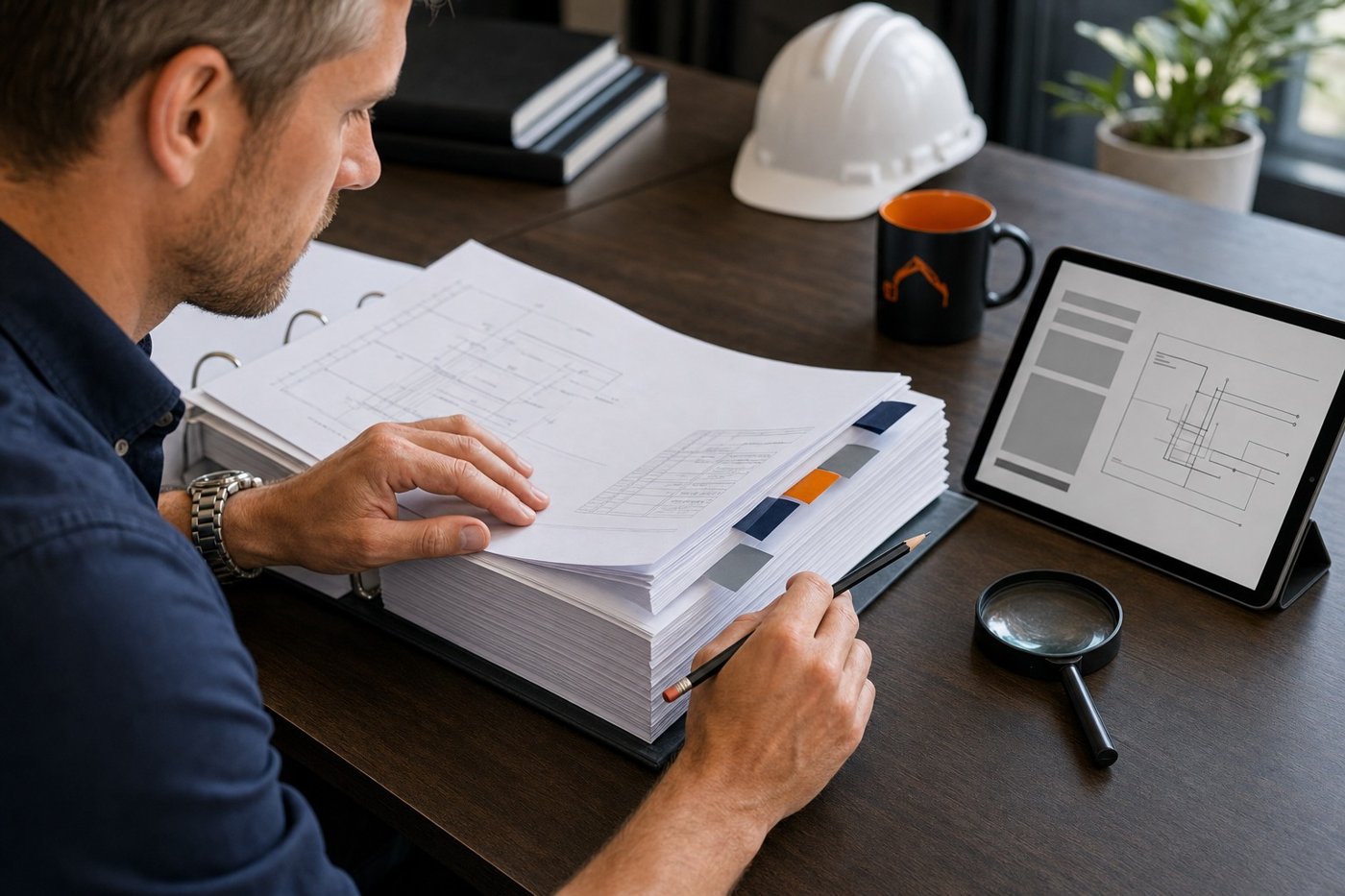
Maintaining a federal contract involves ongoing costs related to compliance and reporting. These include meeting regulatory standards, ongoing project management, and potentially adjusting to new requirements over time.
The journey doesn’t end at winning a contract. Compliance costs often include regular reporting and auditing to ensure adherence to federal standards. This can mean hiring additional staff or external consultants to manage these activities. Additionally, maintaining a robust project management system is essential for tracking expenditures and ensuring that milestones are met on time, which can add to your operational costs.
Are there any hidden costs in federal contracting?
Yes, hidden costs often pop up in the form of project delays, evolving requirements, and unexpected regulatory changes. These can surprise businesses that haven’t prepared adequately.
While upfront costs are more predictable, hidden costs can catch you off guard. Delays in project timelines might require additional labor or materials, increasing costs. Moreover, evolving government requirements can necessitate changes in project scope, which might not have been accounted for in the initial budget. Understanding these potential pitfalls is vital for effective contract management. For more insights, check out our Consulting for Federal Contracts.
What is the average cost for small businesses to bid on federal contracts?
Small businesses can face significant costs when bidding on federal contracts, often ranging from several thousand to tens of thousands of dollars, depending on the complexity of the proposal.
Small businesses must budget for both direct costs, like proposal development and consultant fees, and indirect costs, such as the time spent by staff preparing bids. According to the Small Business Administration, understanding the specific requirements and aligning resources can mitigate some of these costs. Participating in strategic alliances or joint ventures can also help spread the financial burden and increase chances of success.
What expenses should I consider when pursuing federal contracts?
Consider expenses like proposal preparation, compliance costs, and potential legal fees. These are essential for fully understanding the financial commitment required.
Pursuing federal contracts requires a comprehensive investment. Initial expenses often include proposal development and meeting federal registration requirements. The need for compliance with specific standards can also lead to ongoing expenses related to auditing and reporting. Legal fees may arise if your proposal or contract undergoes scrutiny, making it crucial to allocate funds for potential legal consultation.
How can I estimate the total cost of a federal contract project?
Estimating the total cost involves analyzing direct and indirect costs, potential risks, and compliance obligations. A thorough understanding of the project scope is essential.
When estimating costs, it’s important to break down the project into manageable components. Here’s a simple approach:
1. Identify Direct Costs: Include labor, materials, and equipment.
2. Consider Indirect Costs: Factor in overhead and administrative expenses.
3. Evaluate Risks: Assess potential delays and regulatory changes.
4. Plan for Compliance: Budget for auditing and reporting costs.
Understanding these elements will help you create a more accurate budget. For more detailed guidance, visit Federal Construction University.
How much does it cost to get federal contracts with specific requirements?
The cost of federal contracts with specific requirements can be higher due to specialized compliance needs or niche expertise requirements.
Projects that require specialized compliance or niche expertise often come with increased costs. For example, if a contract requires adherence to specific environmental regulations, additional auditing or certification might be necessary. This could mean investing in specialized training or hiring experts, both of which add to overall costs. The complexity of the contract directly impacts expense, requiring detailed analysis before bidding. For a deeper understanding, explore our Government Contracting Basics.
What factors affect the overall cost of federal contracts?
Various factors, including project complexity, regulatory compliance, and market conditions, affect the overall cost of federal contracts.
Federal contract costs are influenced by numerous factors. Complex projects naturally incur higher costs due to the need for specialized skills and resources. Regulatory compliance can vary significantly between contracts, impacting both initial and ongoing costs. Additionally, fluctuating market conditions can affect material and labor prices, influencing final expenditures. Understanding these factors is crucial for effective budgeting and strategic planning.
| Contract Type | Registration Cost | Proposal Preparation | Compliance Costs |
|---|---|---|---|
| Open Bid | Low | Moderate | Moderate |
| Set-Aside | Low | High | High |
| 8(a) Program | Low | High | High |
Ready to Secure Lucrative Federal Contracts?
You’ve got the breakdown of costs and what to expect. Now it’s time to take action. For a deeper dive into federal contracting, book your complimentary consult with an expert who’s navigated the complexities of government contracts successfully. Visit Federal Construction University and book your consult. Ready to make your move?
Frequently Asked Questions
What are the fees associated with applying for federal contracts?
Fees for applying for federal contracts can vary widely based on the specific contract and agency. Often, you may encounter registration fees, proposal submission fees, and costs associated with necessary certifications.
How much does it cost to maintain a federal contract?
Maintaining a federal contract involves ongoing compliance costs, which can include reporting and auditing expenses, as well as costs for maintaining quality standards and performance metrics.
Are there any hidden costs in federal contracting?
Yes, hidden costs can arise from unforeseen requirements, such as additional compliance measures or delays that extend project timelines. It’s crucial to plan for these potential expenses.
What is the average cost for small businesses to bid on federal contracts?
While there isn’t a set average cost, small businesses often need to budget for proposal development, compliance costs, and potential legal fees. Each bid can be unique in its requirements.
What expenses should I consider when pursuing federal contracts?
Consider expenses like proposal writing, compliance, insurance, and any necessary training or certifications. Also, account for potential subcontractor fees if you need additional support.
How can I estimate the total cost of a federal contract project?
To estimate total costs, break down all expected expenses, including labor, materials, and compliance costs. Research similar projects to gauge a realistic budget.