
The short answer
Bidding on welding contracts requires understanding client needs, preparing a detailed cost estimate, and showcasing your experience. Start by reviewing project requirements, develop a comprehensive quote, and emphasize your qualifications to stand out.
Key Takeaways
- Understand the project requirements and scope.
- Prepare a competitive and detailed quote.
- Highlight your qualifications and experience.
- Avoid common mistakes in the bidding process.
- Research and choose the right jobs to bid on.
Mastering how to bid on welding contracts involves understanding the project scope, preparing a competitive quote, and highlighting your expertise. Whether targeting government or private sector contracts, knowing the nuances and requirements is crucial. Effective bidding requires precision, knowledge, and strategic networking to stand out among competitors.
How to bid on welding jobs?

Bidding on welding jobs involves understanding the client’s needs, preparing a detailed cost estimate, and showcasing your experience. Start by thoroughly reviewing the project requirements. Develop a comprehensive quote that includes labor, materials, and timelines. Finally, emphasize your qualifications and successful past projects to stand out.
To create a winning bid, research the company and project specifics beforehand. This ensures your bid aligns with the client’s expectations and needs. Highlighting your past welding successes, certifications, and any unique skills can make your proposal more attractive. Networking within the industry can also provide insights into potential projects and client needs, helping refine your approach.
How to Analyze Client Needs?
Understanding client needs is crucial for crafting a bid that resonates. Begin by reviewing the project specifications provided by the client. Reach out for clarification if needed, as misinterpretations can lead to costly errors. Consider the client’s industry, typical project challenges, and any specific requests they have made. Tailoring your proposal to address these points not only demonstrates your attentiveness but also your commitment to delivering tailored solutions.
How to bid on government welding jobs?

Bidding on government welding jobs requires adherence to specific regulations and standards. Start by registering your business in the System for Award Management (SAM). Understand the Federal Acquisition Regulations and ensure your bid meets all compliance requirements.
Government contracts often have stricter guidelines and require detailed documentation. This includes following the Federal Acquisition Regulation closely. It’s beneficial to attend pre-bid meetings to clarify project expectations and network with potential partners. Utilize resources such as the U.S. Small Business Administration to understand government contracting opportunities and support.
Navigating Compliance and Standards
Compliance is a cornerstone of government contracts. Familiarize yourself with the specific compliance requirements, such as safety standards and environmental regulations. Missing these can disqualify your bid. Document every compliance aspect in your proposal. This not only builds trust but also demonstrates your capability to meet stringent government standards.
How to bid pipe welding jobs?
To bid on pipe welding jobs, you need to focus on precise specifications and certifications. Provide a detailed breakdown of the welding procedures, qualifications, and equipment used. Highlight your experience with similar projects to build trust with the client.
Understanding the specific requirements of pipe welding, such as pressure ratings and material types, is crucial. Offering detailed timelines and cost estimates can help your bid stand out. Networking with other professionals in the field can provide insights into client expectations and emerging opportunities.
Importance of Certifications in Pipe Welding
Certifications can be the deciding factor in winning pipe welding contracts. Ensure your certifications are up-to-date and relevant to the project. Highlight these in your bid to reassure clients of your qualifications. Certifications such as ASME or AWS can significantly enhance your proposal’s credibility.
How to bid a welding job?
Bidding a welding job entails presenting a clear and concise proposal. Start with a detailed project overview, including timelines and costs. Ensure your bid reflects your expertise and includes any necessary certifications or qualifications.
An effective bid is comprehensive yet straightforward. Each section should address specific client concerns, from project timelines to cost breakdowns. Use past project successes to substantiate your expertise. This not only builds confidence but also demonstrates your capability to deliver quality results.
Crafting a Persuasive Proposal
A persuasive proposal is more than just figures and timelines. It’s about telling a story of competence and reliability. Use client testimonials and case studies to illustrate your track record. This narrative approach can differentiate your bid from others that only present data.
How to bid welding jobs effectively?
Effective bidding on welding jobs involves strategic planning and understanding market trends. Begin by researching potential clients and projects. Prepare bids that reflect your strengths and align with client needs.
Stay updated on market rates and industry standards to ensure your bids are competitive. Regularly review and refine your bidding process based on feedback and outcomes. Engaging with industry networks can also reveal insights into best practices and emerging client demands.
Leveraging Market Trends
Understanding market trends can position you ahead of competitors. Keep abreast of technological advancements in welding and incorporate these in your bids where applicable. Clients often look for vendors who are not only competent but also innovative.
What to include in a welding bid?
A comprehensive welding bid should include project scope, cost estimates, timelines, and qualifications. Clearly define each aspect to leave no room for ambiguity. This transparency builds trust and sets the foundation for a strong client relationship.
Comparison Table: Government vs. Private Sector Welding Contracts
| Requirement | Government Contracts | Private Sector Contracts |
|---|---|---|
| Compliance Standards | Strict, must adhere to Federal Acquisition Regulation | More flexible, varies by client |
| Documentation | Extensive, detailed submissions required | Less formal, depends on client needs |
| Timeline Flexibility | Fixed, with potential penalties for delays | More negotiable, subject to client agreement |
| Payment Terms | Typically longer, post-completion | More varied, often with upfront deposits |
How to choose the right welding jobs to bid on?
Choosing the right welding jobs to bid on involves evaluating project feasibility, profitability, and alignment with your expertise. Focus on jobs that match your skill set and offer potential for growth.
Assess each project for its long-term benefits, such as client relationships and portfolio expansion. Prioritize projects that align with your strategic goals and enhance your industry reputation. Networking and industry research can also reveal lucrative opportunities worth pursuing.
Evaluating Project Feasibility
Feasibility analysis is crucial. Consider the project’s size, location, and resource requirements. Analyze whether you have the capability to deliver within the client’s timeframe and standards. This evaluation prevents overcommitment and ensures you bid on projects that you can execute successfully.
What are common mistakes to avoid when bidding on welding contracts?
Common mistakes in welding contract bids include underestimating costs, overlooking compliance requirements, and failing to highlight your expertise. Ensure your bid is detailed and accurate to avoid costly oversights.
Avoiding these pitfalls requires thorough preparation and attention to detail. Double-check all calculations and ensure your bid complies with industry standards. Highlighting your unique skills and experience can further enhance your bid’s competitiveness.
Mitigating Risks in Bidding
Risk mitigation involves identifying potential pitfalls early. Establish a checklist to ensure all aspects of the bid are covered. Engage with your team to review the bid before submission. A second set of eyes can catch errors or omissions that you might have missed.
Unlock Lucrative Government Contracts with Expert Guidance
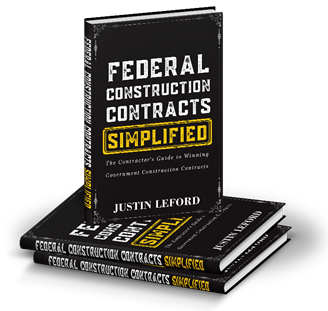
Ready to take your welding business to new heights with profitable contracts? Unlock insider knowledge with our complimentary consult for winning government contracts. Get the essential book, Federal Construction Contracts Simplified, and start transforming your business today.
Frequently Asked Questions
What are welding bids near me?
Welding bids near you can typically be found through local job boards, construction trade websites, or networking within the industry. Many contractors also share opportunities on social media or local community boards.
How to bid on contracts?
To bid on contracts, you must first identify the projects that align with your skills. Then, prepare a thorough proposal that meets the specifications, includes a competitive price, and demonstrates why you’re the best fit for the job.
How to bid on welding jobs?
To bid on welding jobs, start by reviewing the job requirements carefully. Next, outline your pricing based on materials and labor, and submit a clear, concise proposal that highlights your qualifications and experience.
How to bid on welding jobs effectively?
Bidding effectively involves understanding the client’s needs, providing a detailed breakdown of costs, and showcasing your experience. Clear communication and a tailored proposal can make a significant difference.
How to bid a welding job?
To bid a welding job, gather all project details, calculate your costs accurately, and prepare a proposal that outlines your expertise and competitive pricing. Ensure to follow any specific submission guidelines.
What are common mistakes to avoid when bidding on welding contracts?
Common mistakes include underestimating costs, failing to follow submission guidelines, and not highlighting relevant experience. Ensure your proposal is complete and clearly addresses the client’s needs.