
The short answer
Are government construction projects tax exempt? In many cases, they can be, but it largely depends on the project's nature and location. Understanding tax exemption status requires a keen awareness of local and federal regulations, which can vary significantly. Contractors involved in these projects must diligently follow the relevant tax guidelines to ensure compliance and take advantage of available exemptions.
Key Takeaways
- Many government construction projects may be tax exempt depending on various factors.
- Understanding local tax laws is essential for compliance.
- Contractors can benefit from specific tax breaks in government projects.
- Filing the correct paperwork is crucial to avoid costly mistakes.
Are Government Construction Projects Tax Exempt? ## Are government construction projects subject to sales tax?
Government construction projects are often exempt from sales tax, particularly when the project is for a government-owned property or funded by government grants. These exemptions typically apply to materials and supplies purchased for use in the project. However, this is not universal, and the rules can vary by state and local jurisdiction.
For example, in states like Texas and Florida, construction projects for government entities are generally exempt from sales tax on materials. This is because the government entity itself is not subject to tax, and the exemption extends to its contractors. It’s crucial for contractors to verify the tax status of their purchases through government contracts and appropriate documentation. Learn about government contracts to better understand these requirements.
What are the tax implications for government-funded construction projects?

Government-funded construction projects carry unique tax implications that contractors must consider carefully. These projects often involve special tax treatment where certain purchases are exempt from tax, and others may not be. Understanding the specific terms of the government contract is essential.
When a project is funded by the government, it may qualify for a tax exemption on materials and supplies. Contractors need to differentiate between taxable and non-taxable items to file accurately. The Internal Revenue Service provides guidance on such distinctions, which can be complex. Contractors should consult with tax professionals or use resources like the Internal Revenue Service to ensure compliance and optimize their tax filings.
Do contractors pay taxes on government construction contracts?

Contractors do pay taxes on income earned from government construction contracts. However, the tax obligations may differ from other contracts due to specific exemptions related to materials and services.
While the income from these contracts is taxable, the materials purchased may not be. It’s important for contractors to separately account for exempt and non-exempt purchases to avoid misfiling. Additionally, understanding the exact nature of the contract—whether it’s a direct government contract or through a third-party entity—can impact tax responsibilities. For further clarity, Get insights on government procurement.
How do tax exemptions work for public construction projects?
Tax exemptions for public construction projects typically apply to the materials and supplies used in the construction. These exemptions are grounded in the principle that the government does not tax itself, thereby extending the exemption to contractors working on its behalf.
To qualify for these exemptions, contractors must document and prove that their purchases are for an eligible government project. This often requires submitting exemption certificates and maintaining detailed records. Different states maintain different procedures for applying these exemptions, requiring contractors to stay informed about local regulations. Explore federal construction strategies to leverage these exemptions effectively.
Are there specific tax breaks for government construction initiatives?
Yes, specific tax breaks are often available for government construction initiatives. These can include exemptions from sales tax, use tax, and potentially other local taxes, depending on the jurisdiction.
These tax breaks are designed to reduce the overall cost of public projects, making them more economically viable. Contractors should investigate available tax credits or deductions and consult with tax professionals to maximize their benefits. The U.S. Small Business Administration often provides resources and guidance in understanding these complex tax landscapes.
What types of construction projects are eligible for tax exemptions from the government?
Typically, construction projects directly commissioned and funded by federal, state, or local governments are eligible for tax exemptions. This includes infrastructure projects like roads, public schools, and government buildings.
Eligibility is determined by specific criteria set by the government entity commissioning the project. Contractors should work closely with their tax advisors to confirm eligibility and ensure compliance with tax exemption requirements. Understanding these nuances can greatly influence project costs and profitability.
Comparison of States with Varying Tax Exemption Policies
| State | Sales Tax Exemption | Use Tax Exemption | Special Conditions |
|---|---|---|---|
| Texas | Yes | Yes | Must provide exemption certificate |
| California | No | Yes | Limited to certain projects |
| Florida | Yes | No | Only for direct government contracts |
What common mistakes do contractors make regarding tax exemptions?
Common mistakes contractors make include failing to properly document their tax-exempt purchases, misunderstanding the scope of eligible projects, and neglecting to file necessary exemption certificates. These oversights can lead to audits and penalties.
To avoid these pitfalls, contractors should maintain meticulous records of all transactions and exemptions claimed. Regular consultations with tax professionals and ongoing education about changing tax laws are essential for staying compliant and avoiding costly mistakes.
How can contractors ensure they take advantage of tax exemptions?
Contractors can ensure they take full advantage of tax exemptions by following a systematic approach:
1. Research Applicable Laws: Understand the specific tax laws and exemptions in your state and for the federal government.
2. Maintain Accurate Records: Keep detailed records of all purchases and related exemption certificates.
3. Consult Professionals: Engage with tax advisors who specialize in construction and government contracts.
4. Stay Updated: Regularly review changes in tax legislation that affect government contracts.
By adhering to these steps, contractors can maximize their financial benefits from tax exemptions and enhance project profitability.
Book Your Complimentary Consultation for Expert Government Contracting Guidance
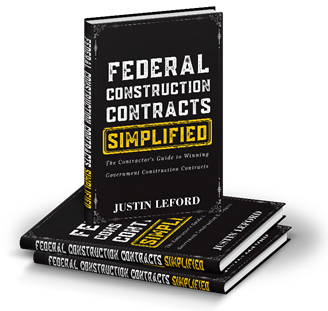
Understanding the complexities of tax exemptions in government construction projects can be challenging. To help you streamline this process and unlock lucrative opportunities, book a 30-minute complimentary consult with an expert who has won millions in government contracts. Visit milliondollarfederalcontractor.com to schedule your session. Additionally, gain deeper insights with the book Federal Construction Contracts Simplified. Secure your edge in federal contracting today.
Frequently Asked Questions
Are government construction projects tax exempt?
Yes, many government construction projects can be exempt from sales tax. However, this exemption often depends on the state and specific project guidelines.
What are the tax implications for government-funded construction projects?
Government-funded projects often have specific tax implications, including eligibility for exemptions. It’s critical for contractors to understand these to avoid penalties.
Do contractors pay taxes on government construction contracts?
Typically, contractors may not have to pay sales tax on materials for government contracts if the project qualifies for tax exemption.
How do tax exemptions work for public construction projects?
Tax exemptions for public construction projects usually come from government regulations that allow specific categories to bypass sales tax. Each state has its own rules.
Are there specific tax breaks for government construction initiatives?
Yes, some government programs offer tax breaks or incentives to encourage construction projects that meet certain criteria, such as community development.
What types of construction projects are eligible for tax exemptions from the government?
Typically, public infrastructure projects, educational facilities, and other government-owned developments may qualify for tax exemptions.