
The short answer
The number of days a contractor works per year can vary based on project demands, weather conditions, and personal choices. On average, contractors may work around 200-250 days, but this can fluctuate significantly depending on various factors.
Key Takeaways
- Contractors typically work 200-250 days a year.
- Workdays can fluctuate based on project type and weather.
- Contractors can work on projects for more than 2 years.
- Timelines for job completion vary by contract and scope.
- Seasonal changes can impact contractor work schedules.
How many days does a contractor work per year? On average, contractors work between 200 and 250 days annually. This estimate considers various factors, including project timelines, weather conditions, and client demands. Unlike traditional employees, contractors have flexible schedules that can vary significantly based on their specific trade and industry demands.
How many days does a contractor work per year?

Contractors typically work between 200 and 250 days a year. This number can fluctuate significantly depending on the type of work and the geographic location. For example, contractors in construction may work fewer days if projects are weather-dependent or face other external delays.
Contracting work often involves intense periods of work followed by downtime, which contributes to the variability in workdays. The flexibility inherent in contracting allows for adjustments in workload, which is both a benefit and a challenge. Contractors aiming for high earnings might pack their schedules tightly, while those prioritizing work-life balance might choose to take on fewer projects.
How many days per year do contractors work?

The typical contractor works around 200 to 250 days per year, but this can vary widely. Factors such as the nature of the trade, contract terms, and personal preferences play a role in determining how many days a contractor works annually.
For instance, a contractor involved in federal projects might have a more consistent schedule due to the structured nature of government contracts. Others, who work in industries such as landscaping or roofing, might see significant seasonal fluctuations, working fewer days in off-peak seasons. This variability necessitates careful planning to ensure financial stability throughout the year.
Can a contractor work for more than 2 years?
Yes, a contractor can work on a single project for more than two years. Extended projects are common in large-scale builds or ongoing maintenance contracts, especially in sectors like infrastructure or federal government projects.
Long-term contracts offer stability and can be financially rewarding. Federal contracts, for example, can provide opportunities for extended engagements, often spanning several years. Contractors interested in such opportunities can learn about federal contracts to secure long-term work that aligns with their skills and business goals.
How long does a contractor have to finish a job?
The timeframe for job completion varies by contract. Some projects have strict deadlines, while others are more flexible, requiring adjustments based on factors like client changes or unforeseen obstacles.
Contract timelines are influenced by the scope of work and contractual agreements. A residential renovation might have a shorter timeline compared to a commercial build. Get insider tips on government contracting to better understand how to navigate and negotiate federal contract timelines effectively.
What is the typical work schedule for contractors?
A contractor’s work schedule is highly variable and can be customized to fit personal and professional needs. Unlike traditional employees, contractors often work flexible hours, adjusting their schedules based on project demands and personal preferences.
Typically, contractors plan their workdays around the demands of their current projects. This flexibility is a major advantage, allowing for periods of intense work followed by downtime. Contractors may choose to work longer hours during busy periods to maximize productivity and client satisfaction.
| Role | Average Workdays Per Year |
|---|---|
| Contractors | 200-250 |
| Traditional Employees | 260-280 |
Are there seasonal variations in contractor workdays?
Yes, seasonal variations significantly affect contractor workdays. Many contractors experience fluctuations in workload based on the time of year, particularly in industries sensitive to weather conditions, like construction or landscaping.
During peak building seasons, contractors may work extended hours, while winter months might bring fewer projects. To manage these fluctuations, contractors often diversify their services or seek federal contracts that provide year-round stability. Discover set-aside programs that can help maintain consistent work throughout the year.
What factors affect how many days a contractor works?
Several factors affect the number of days a contractor works each year, including project scope, industry demands, and personal choices. External factors such as economic conditions and regional climate also play a role.
Contractors must navigate project timelines, which often include unexpected changes. Weather delays, client revisions, and material shortages can extend project durations. Understanding and anticipating these factors can help contractors maintain a steady workflow and income.
Do contractors take vacations or time off during the year?
Yes, contractors do take vacations or time off, although the timing and duration can vary. Unlike traditional employees, contractors have the flexibility to schedule breaks around their projects.
Taking time off requires careful planning to ensure that client commitments are met and financial goals are maintained. Contractors might plan vacations during slower periods or between projects, allowing for rest and rejuvenation without impacting their business negatively. The U.S. Bureau of Labor Statistics provides data that can help contractors plan their schedules effectively.
Transform Your Contracting Business with Federal Opportunities
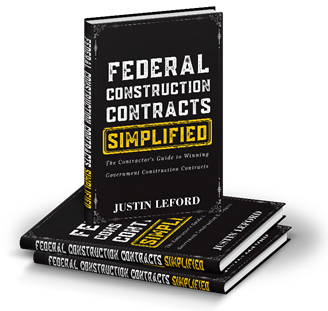
Understanding the dynamics of contractor workdays can significantly impact your business planning and success. If you’re seeking more consistent work opportunities, consider expanding into federal contracts. A 30-minute complimentary consult with a seasoned business owner can provide insights into winning lucrative government contracts. Additionally, the book Federal Construction Contracts Simplified offers valuable guidance for navigating this complex field. Book the consult or get the book today to start transforming your contracting business.
Frequently Asked Questions
Can a contractor work for more than 2 years?
Yes, contractors can work on long-term projects that extend beyond two years, depending on the contract agreements and project requirements.
How many days does the average worker work a year?
On average, full-time workers typically work about 250 days a year, factoring in vacation and holidays, but contractors may work fewer or more days depending on their specific situation.
How long does a contractor have to finish a job?
The time a contractor has to complete a job can vary widely based on the contract’s terms, scope of work, and project complexities.
How many days per year do contractors work?
Contractors generally work around 200-250 days per year, but this can vary significantly based on project volume, seasonal fluctuations, and individual circumstances.
What is the typical work schedule for contractors?
Contractors often have flexible schedules, but they typically work full days on job sites, which can range from 8 to 12 hours depending on the project needs.
Are there seasonal variations in contractor workdays?
Yes, contractors may experience seasonal variations in workdays, especially in regions with harsh winters or rainy seasons that can delay projects.