
Key Takeaways
- Understanding the bidding process is crucial for government contracts.
- Bid security protects the interests of the procurement agency.
- An Invitation to Bid (ITB) outlines project requirements and invites bids.
- Common bid submission documents include financial statements and compliance certifications.
- Avoiding mistakes can increase your chances of winning government contracts.
Bid in Government Procurement Process. Bidding in the government procurement process involves submitting a proposal to supply goods or services to a government agency. Understanding this process is essential for contractors aiming to win lucrative government contracts. By mastering the bidding steps, you position yourself ahead of competitors and increase your chances of securing a government contract.
how to bid in government procurement process

Bidding in the government procurement process requires understanding the key steps and documentation involved. First, identify opportunities on platforms like SAM.gov. Next, review the Invitation to Bid (ITB) to ensure you meet all requirements. Prepare your bid by compiling necessary documents, including financial statements and compliance certifications, and submit before the deadline.
To succeed, it’s crucial to grasp the procurement language and evaluation criteria. Engaging with procurement officers for clarity can provide an edge. Additionally, attending pre-bid meetings helps gather insights into the project’s scope and requirements, allowing you to tailor your bid effectively. Finally, ensure your bid aligns with the agency’s needs and complies with the Federal Acquisition Regulation.
what is a bid in procurement?

A bid in procurement is a formal proposal submitted by a contractor in response to a government agency’s request to provide specific goods or services. It details the contractor’s terms, including pricing, timeline, and compliance with outlined requirements.
This proposal is vital as it forms the basis for evaluation and award decisions. Contractors must demonstrate value, capability, and compliance with legal and technical specifications. A well-prepared bid reflects an understanding of project needs and establishes credibility with procurement agencies.
what is bid security in procurement?
Bid security in procurement is a financial guarantee provided by a bidder to a procurement agency, ensuring that the bidder will honor their commitment if selected. It acts as a safeguard for the agency, protecting against the risk of bid withdrawal or non-compliance.
Typically, bid securities are a percentage of the bid amount and can take forms such as bid bonds, certified checks, or bank guarantees. This security reassures the procurement agency of the bidder’s seriousness and commitment to the project. For contractors, understanding the terms of bid security is crucial to avoid forfeiture due to non-compliance.
what is the purpose of an invitation to bid itb in government procurement?
An Invitation to Bid (ITB) in government procurement serves to outline project requirements and invite qualified contractors to submit bids. It provides detailed information about the project, including technical specifications, terms, and conditions.
The ITB is a critical document that ensures transparency and fairness in the procurement process. It helps contractors understand the scope of work, deadlines, and evaluation criteria. By reviewing the ITB thoroughly, contractors can tailor their bids to meet the agency’s expectations and increase their chances of success.
what are the steps to prepare a government procurement bid?
Preparing a government procurement bid involves several structured steps:
1. Identify Opportunities: Search platforms like SAM.gov for open solicitations.
2. Review ITB Documents: Carefully analyze the Invitation to Bid for requirements and specifications.
3. Pre-Bid Meeting: Attend to gain additional insights and clarify doubts.
4. Prepare Bid Proposal: Gather necessary documents, including financial statements and compliance certifications.
5. Submit Bid: Ensure timely submission before the deadline.
Each step is essential to crafting a compelling bid, with attention to detail and compliance being critical to avoid disqualification.
how do I find government procurement opportunities?
Finding government procurement opportunities requires consistent monitoring of official portals and networking with procurement officials. Websites like SAM.gov are primary sources for federal contract opportunities.
Additionally, subscribing to newsletters and attending industry conferences can offer insights into upcoming bids. Engaging with resources like the U.S. Small Business Administration can provide guidance and support in understanding the procurement landscape, particularly for small businesses.
what documents are required for a government bid submission?
Common documents required for a government bid submission include financial statements, past performance records, compliance certifications, and technical proposals. These documents demonstrate a contractor’s capability, reliability, and adherence to regulatory standards.
Accurate and comprehensive documentation is crucial for a successful bid. Ensuring all certifications are up-to-date and aligning technical proposals with project specifications can significantly enhance your bid’s competitiveness.
what are common mistakes to avoid when bidding on government contracts?
Common mistakes in government bidding include overlooking submission deadlines, failing to comply with ITB requirements, and underestimating project costs. These errors can disqualify an otherwise strong proposal.
To mitigate these risks, contractors should rigorously review ITB documents, plan for adequate bid preparation time, and seek clarification on any ambiguous requirements. Leveraging Federal Construction University courses can also equip contractors with strategies to avoid these pitfalls.
Comparison Table: Steps vs. Challenges in Government Bidding
| Steps in Government Bidding | Common Challenges Faced by Contractors |
|---|---|
| Identify opportunities on platforms | Difficulty in understanding procurement language |
| Review ITB documents | Overlooking critical details in ITB |
| Attend pre-bid meetings | Limited access to procurement officials |
| Prepare comprehensive bid proposal | Insufficient resources and expertise |
| Submit bid before deadline | Managing tight submission timelines |
Secure Your Next Government Contract with Confidence
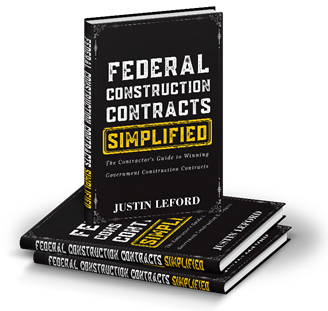
Winning government contracts can transform your business. At Federal Construction University, we offer insider knowledge and practical guidance to help you succeed. Book your 30-minute complimentary consult with a seasoned contractor who has secured millions in government contracts, or get the book Federal Construction Contracts Simplified to start your journey today.
Frequently Asked Questions
What are the steps to prepare a government procurement bid?
Preparing a government procurement bid involves researching the opportunity, understanding the requirements, gathering necessary documentation, and submitting the bid before the deadline. It’s essential to carefully follow the instructions provided in the solicitation.
How is the winning bid selected in government procurement?
The winning bid is typically chosen based on a combination of factors including price, technical capability, and compliance with the solicitation requirements. Evaluation criteria are outlined in the Invitation to Bid.
What are the benefits of participating in government procurement processes?
Participating in government procurement can lead to lucrative contracts and a steady stream of work. It allows businesses to grow and gain credibility in their industry.
How do I find government procurement opportunities?
Government procurement opportunities can be found on websites such as SAM.gov, which lists federal contract opportunities. Local and state government websites also provide procurement information.
What common mistakes should contractors avoid when bidding on government contracts?
Common mistakes include failing to meet bid submission deadlines, not following bid specifications, and underestimating project costs. Thoroughly reviewing the solicitation can help avoid these pitfalls.